- Good
- Adequate
- Marginal
- Weak
- Poor
Frontal Impact
Lateral Impact
Rear Impact
Comment
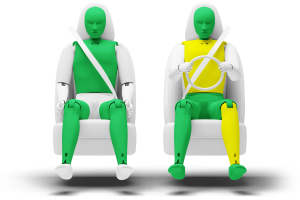
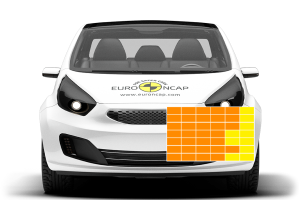
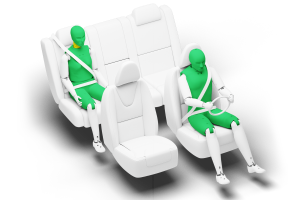
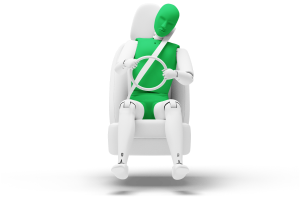
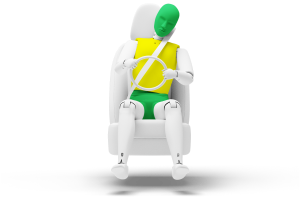
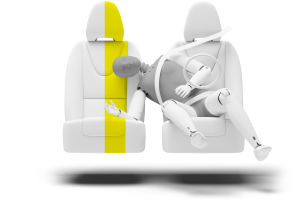
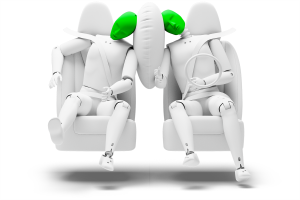
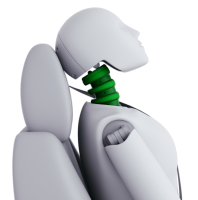
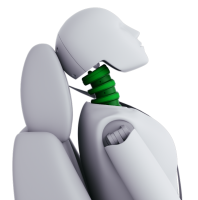
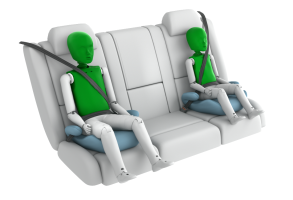
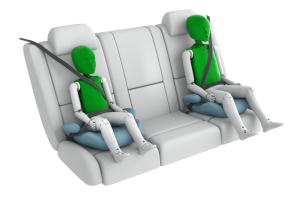
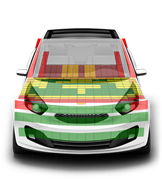
The passenger compartment of the MAXUS eTERRON 9 remained stable in the frontal offset test. Dummy readings indicated good protection of the knees and femurs for the driver and front passenger. MAXUS demonstrated that a similar level of protection would be provided to occupants of different sizes and to those sitting in different positions. Protection was good for all critical body areas of the front passenger. Analysis of the deceleration of the impact trolley during the test, and analysis of the deformable barrier after the test, revealed that the MAXUS eTERRON 9 would be a moderately benign impact partner in a frontal collision. In the full-width rigid barrier test, protection was good for all critical body regions, both for the driver and the rear passenger, and the eTERRON 9 scored maximum points in this part of the assessment. Similarly, in the side barrier test, full points were scores and, in the more severe side pole impact, protection of all critical body regions was good or adequate. Control of excursion (the extent to which a body is thrown to the other side of the vehicle when it is hit from the far side) was found to be adequate. The MAXUS eTERRON 9 has a countermeasure to mitigate against occupant-to-occupant injuries in such impacts. The airbag performed well in Euro NCAP’s tests with dummy readings indicating good protection for both the driver and passenger. Tests on the front seats and head restraints demonstrated good protection against whiplash injuries in the event of a rear-end collision. A geometric analysis of the rear seats also indicated good whiplash protection. The car has an advanced eCall system which alerts the emergency services in the event of a crash, and a system to prevent secondary impacts after the car has been in a collision. MAXUS demonstrated that the doors and windows would be openable to allow occupants to escape in the event of vehicle submergence.